Sensor
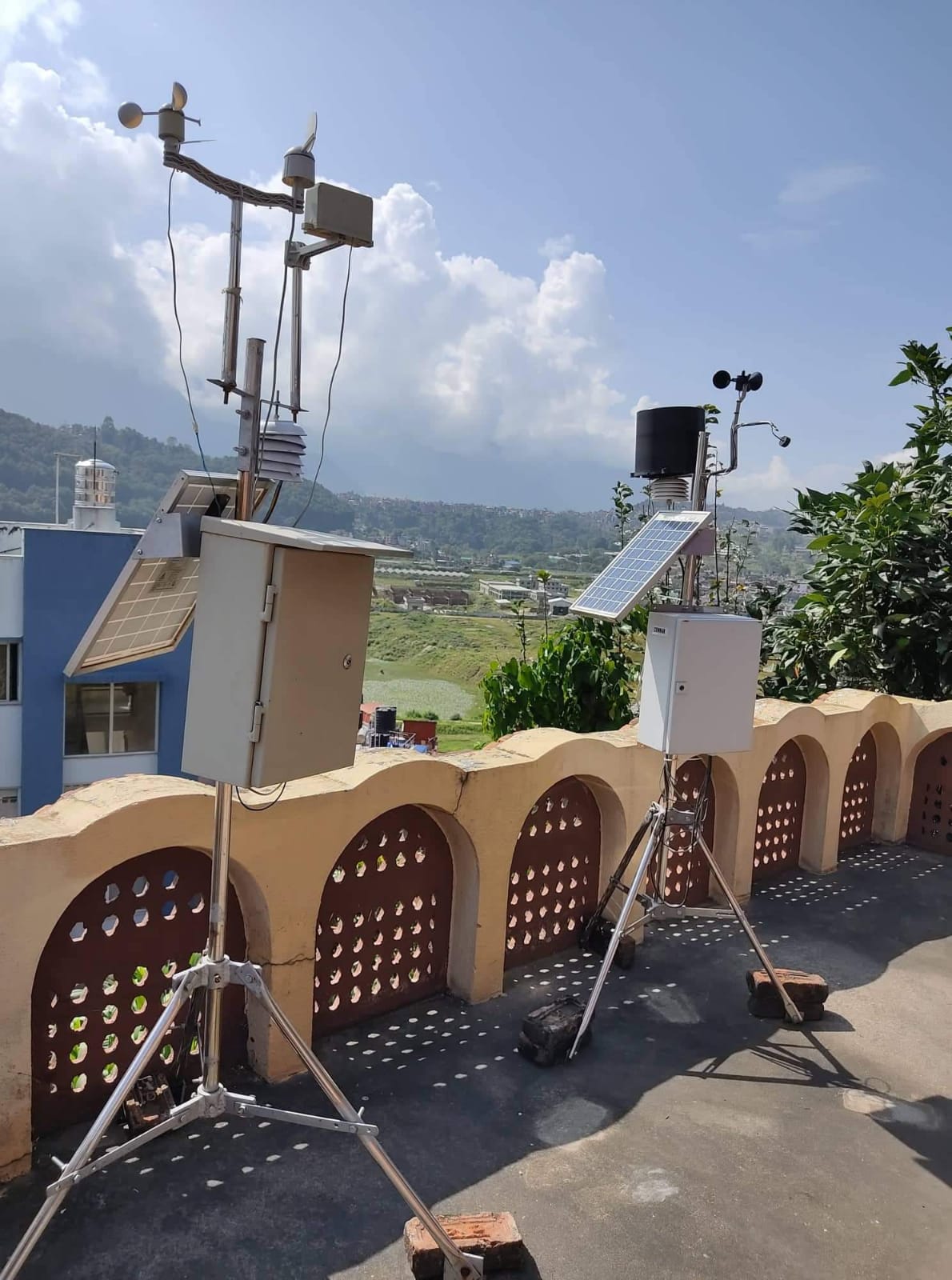
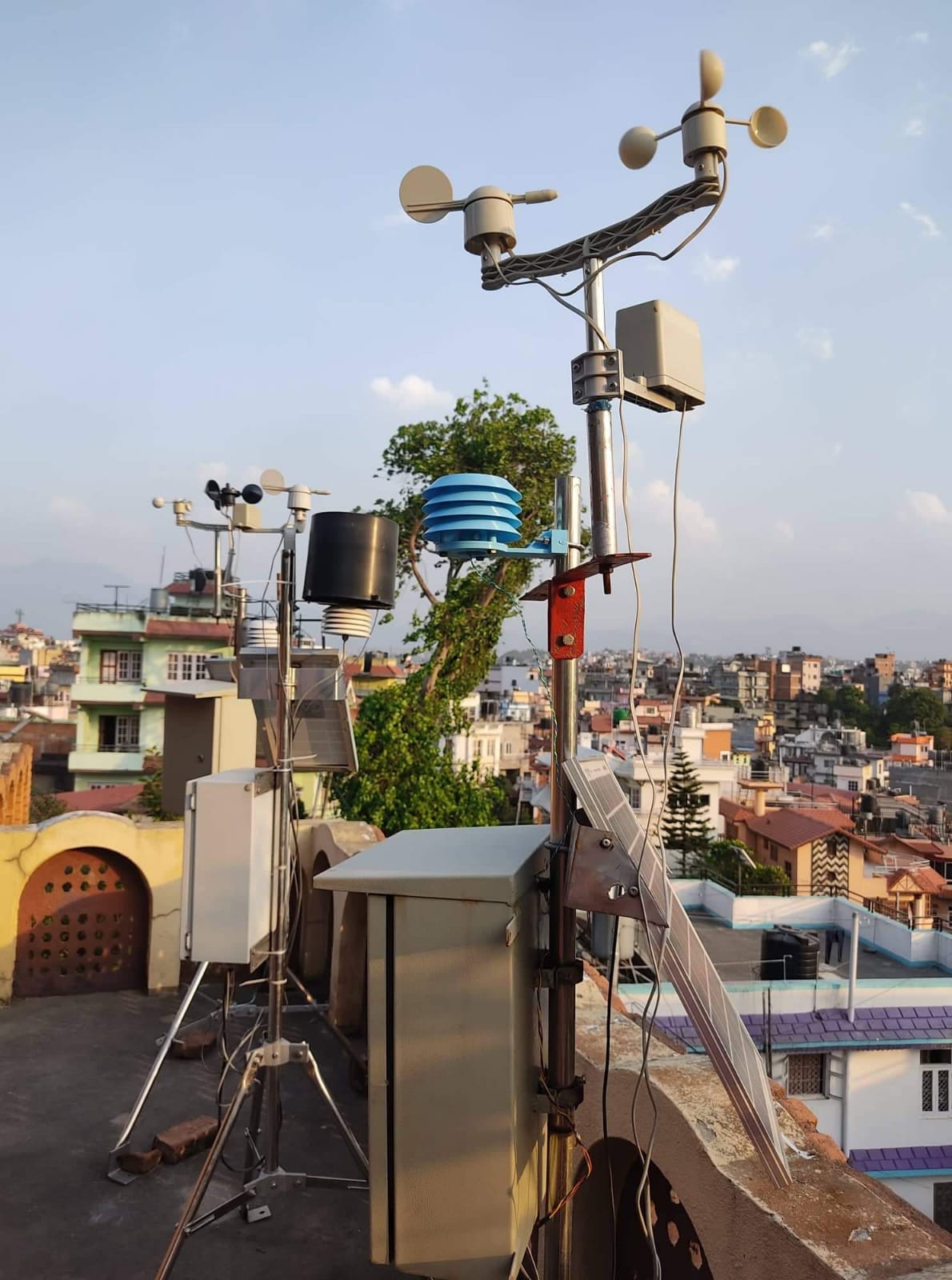
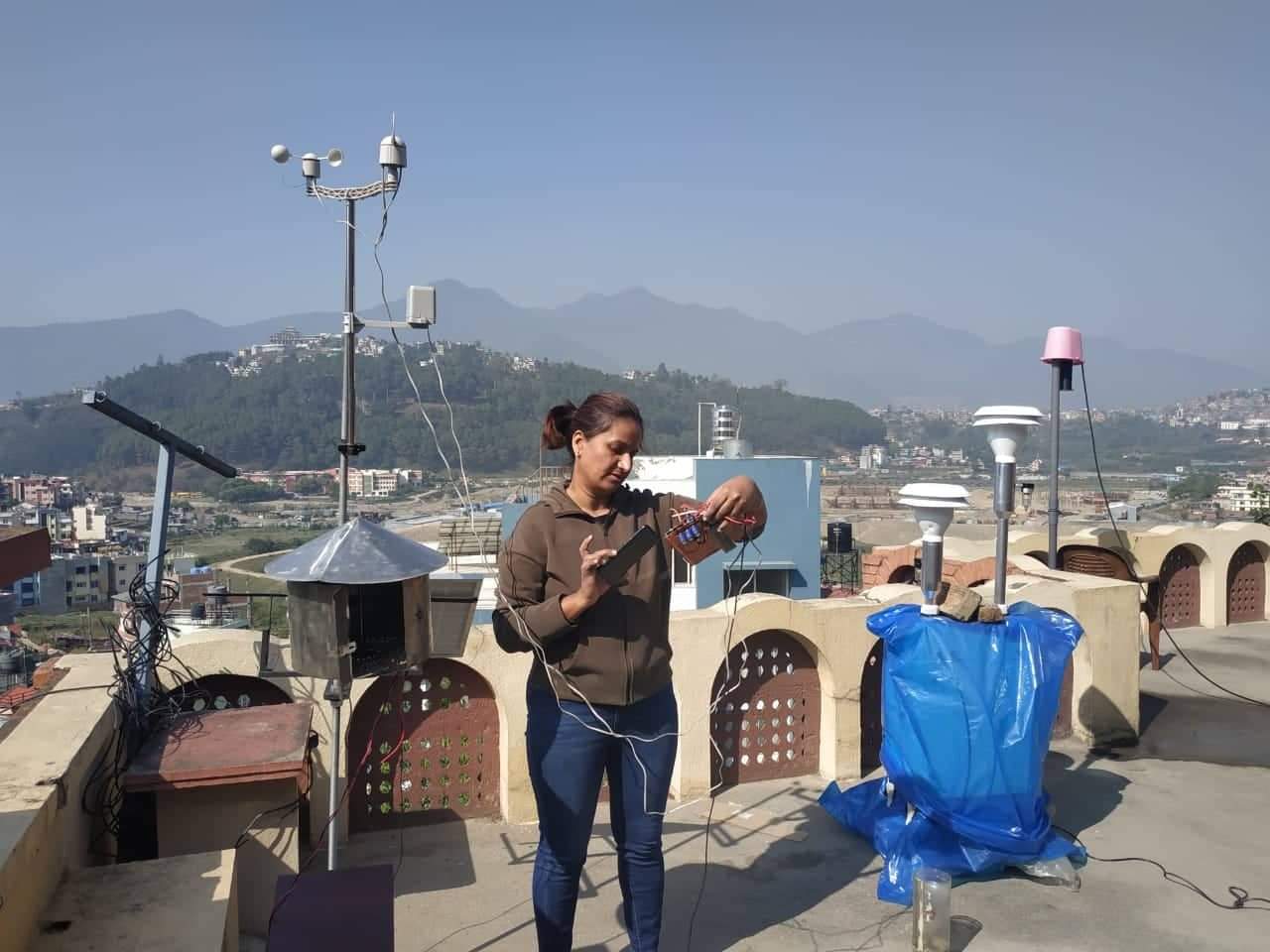
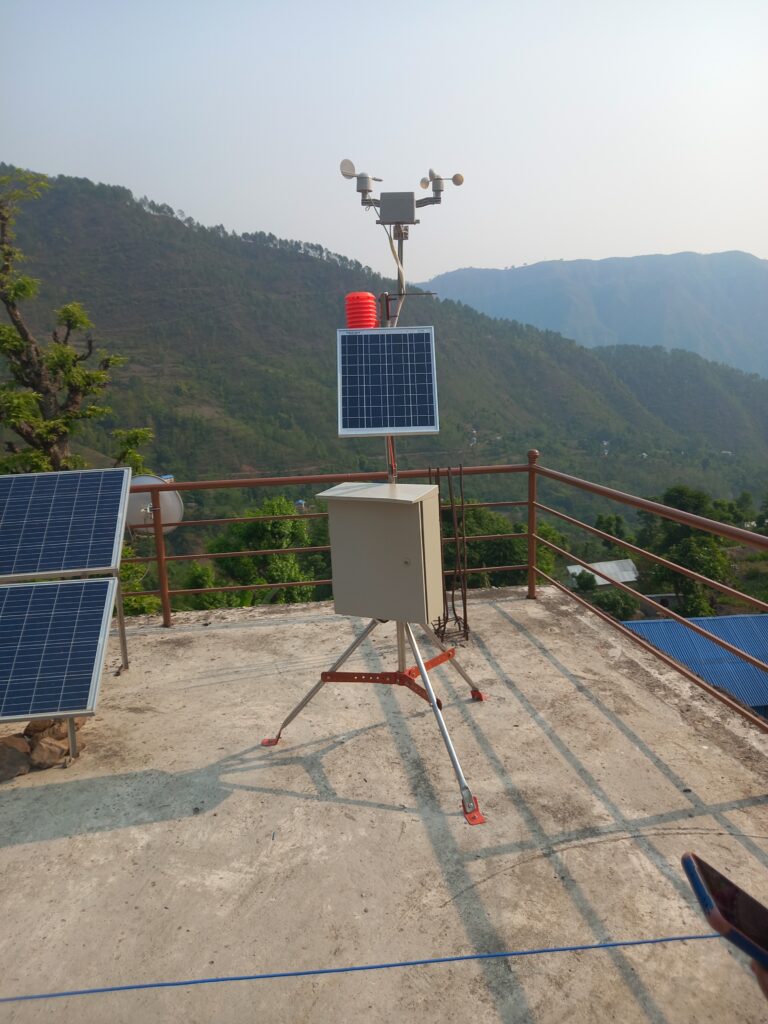
Each sensor is designed to measure a specific number of parameters, convert these into an electrical signal, and then transmit the data to a data logger. The data in the form of electrical signals are transmitted through a sensor`s wire up to the electronic control board and further processed before storing to microSD card. The data are also transmitted through wireless communication to the google cloud and therefore can be accessed from any part of the world! The number of wires and the type of connector used varies depending on the type of signal the sensor produces. Some of the common types of electrical signals that are commonly used in sensors include voltage, current, pulse, digital, and serial. When wireless interfaces are integrated into the sensor, the data logger must have a matching wireless device. Some common sensors used in MAUSIM and the parameters that they measure, are the following.
| Sensor Type |
Parameter Measured |
| Anemometers |
Wind speed |
| Barometers |
Atmospheric pressure |
| Hygrometers |
Relative humidity |
| Wind vanes |
Wind direction |
| Rain gauge |
Rainfall and snowfall |
| Thermistors |
Temperature |
Data logger
We offer two automatic operation that work hand-in-hand. Our data loggers have two operations that work together in an automated step-by-step process. First, they measure the data from the sensors. Then they process that data and store it. Finally, our network appliance transmits that data to computer weather display monitor, apps, and servers. Our network appliances automatically reboot as needed to ensure you always have the data you’re looking for.
Communication
A variety of methods are available for storing the data logger’s acquired data, as well as transferring the data and any calculated values to a PC or other device for increased access, sharing, analysis, and reporting. These approaches make use of a number of communication peripherals, as well as onsite and telephonic choices.
A data logger can sometimes be connected directly to an onsite PC or laptop. USB flash memory, micro-SD cards, and manufacturer-specific solutions are some more onsite external memory storage alternatives.
It may be advantageous to employ a remote telemetry peripheral to facilitate communication or remote data retrieval. There are wired choices for remote telemetry (Ethernet, multidrop network, satellite, short haul modem, landline phone, and voice-synthesized phone) as well as wireless options (radio frequency, cellular phone, and Wi-Fi).
Software
Specialized software is used to aid in the exchange, analysis, and reporting of data collected by a data logger. The following are some of the jobs that software packages can help with:
• Custom apps for data logger transmission are being developed.
• Data logger software creation and editing
• Data collection via cloud
• Data storage and organization in databases
• PC-to-PC transmission of data
• Using an iOS or Android device to communicate
• Data from several data loggers is graphically displayed on a single web page.
Power Supply
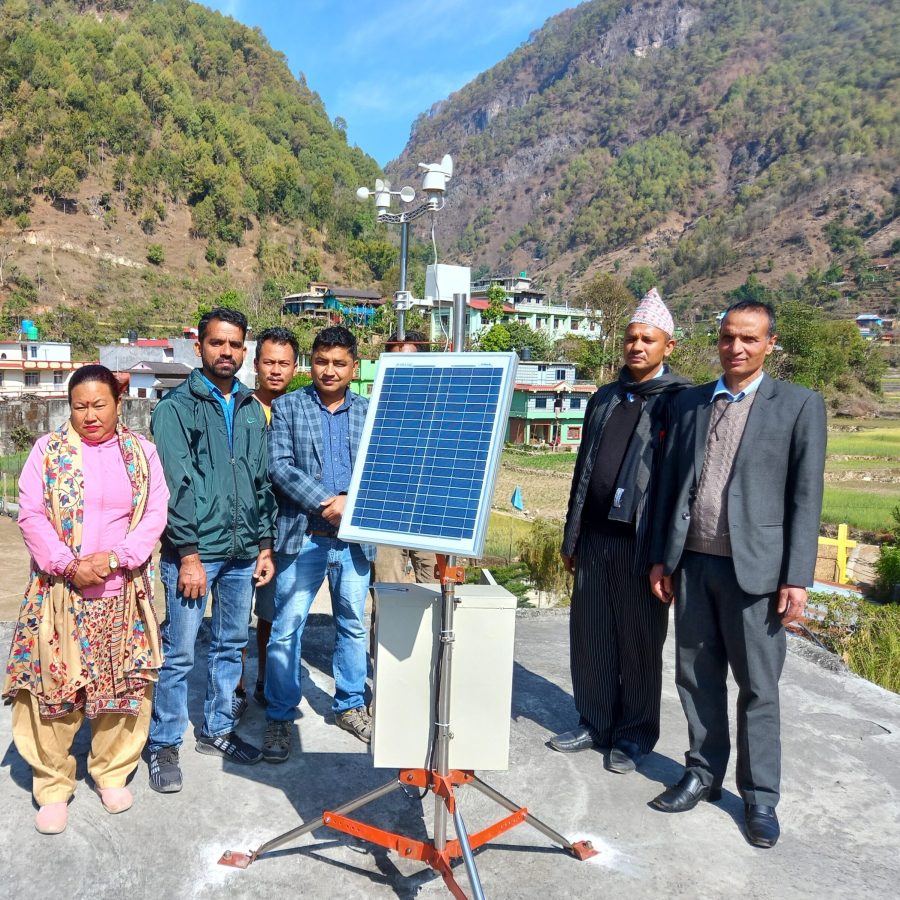
A dependable power supply is required for an automated weather station to function. A rechargeable battery is often utilized when a station is situated in an area without access to ac power. The quantity and size of batteries required are determined by the automated weather station’s current draw, the maintenance interval, and the amount of solar power available to recharge the batteries during a given time interval at a specific latitude.
Alkaline batteries must be replaced, whereas rechargeable batteries must be recharged. A regulator and a charging source are required for recharging a battery. Ac transformers or solar panels are commonly used as charging sources. (Power to an automated weather station can be supplemented with an external rechargeable battery, which is also recharged using a regulator and a charging source.) Wind turbines, fuel cells, and diesel or gasoline generators are sometimes used as charging sources.
In MAUSAM, we have used lead acid battery with solar panels.
Enclosure and mounting equipment
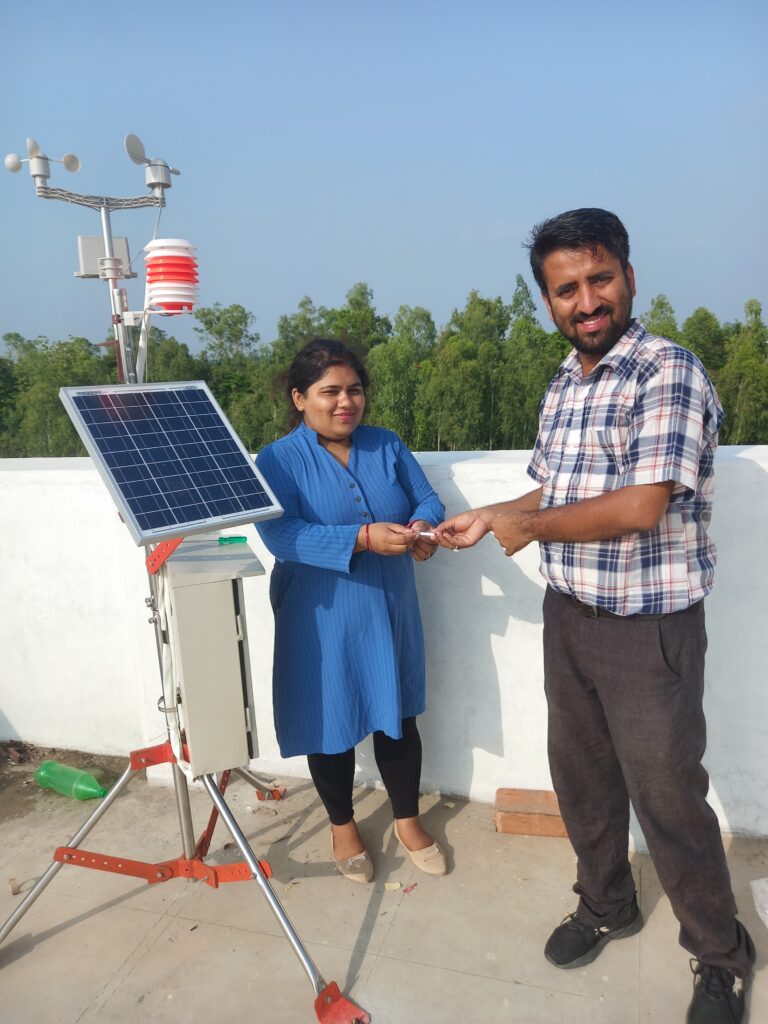
A data recorder, communication peripheral, power supply, and certain sensors are often housed in a suitable sized environmental enclosure to protect the most sensitive components of an automated weather station from the elements. The components of an automated weather station are gathered together and physically supported by mounting them to a stable structure, such as a tripod, tower, or buoy, whether they are enclosed or directly exposed to the elements. A variety of tripod and tower heights are available to satisfy various measuring requirements. We have used tripod stainless steel stand with a metal sensor box mounted on the stand. All the sensors and battery are stored inside the sensor box. Temperature and relative humidity sensor are enclosed inside radiation shield.